Photo by PNW Production on Pexels — source At 9 PM, the bedside table is cluttered with items from a long day: a half-filled water bottle, a pair of shoes that never made it to the closet, and a wrinkled shirt tossed aside after a long day at work. The evening routine feels chaotic, with work clothes still on longer than intended. As the clock ticks closer to bedtime, the thought of preparing for the next day becomes a distant worry, overshadowed by the need to unwind. The umbrella, left in a corner of the room, is a reminder of the small details that often slip through the cracks. In these moments, the potential for a smoother morning begins to fade. Without a clear plan, the daily reset gets lost among the clutter. Packing the bag becomes a last-minute scramble, often resulting in forgotten essentials. A simple check before leaving the room, like ensuring the umbrella is by the door, could shift the entire morning routine. Yet, this small habit often goes unnoticed, leading to a cha...
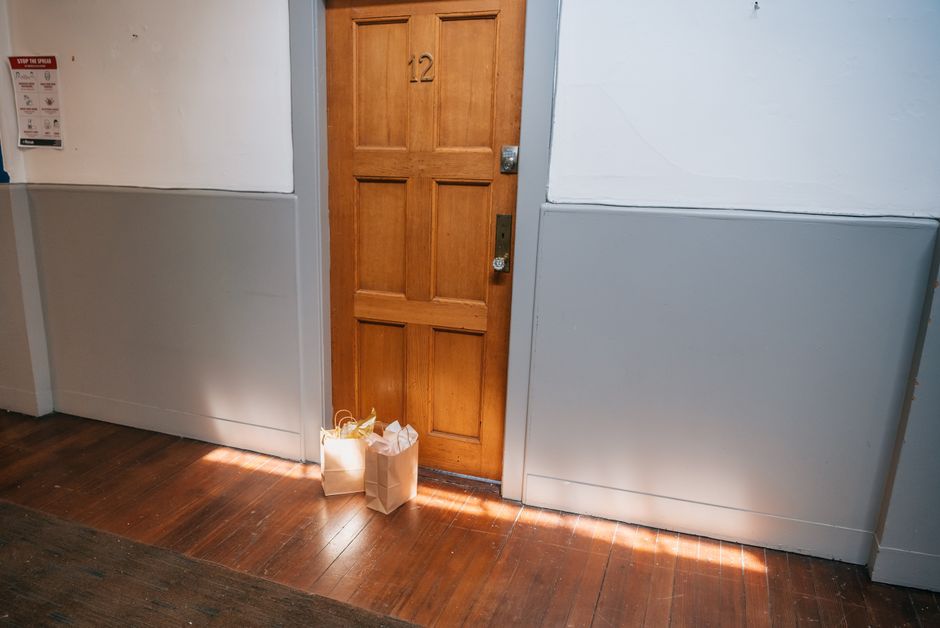
At 9 PM, the bedside table is cluttered with items from a long day: a half-filled water bottle, a pair of shoes that never made it to the closet, and a wrinkled shirt tossed aside after a long day at work. The evening routine feels chaotic, with work clothes still on longer than intended. As the clock ticks closer to bedtime, the thought of preparing for the next day becomes a distant worry, overshadowed by the need to unwind. The umbrella, left in a corner of the room, is a reminder of the small details that often slip through the cracks.
In these moments, the potential for a smoother morning begins to fade. Without a clear plan, the daily reset gets lost among the clutter. Packing the bag becomes a last-minute scramble, often resulting in forgotten essentials. A simple check before leaving the room, like ensuring the umbrella is by the door, could shift the entire morning routine. Yet, this small habit often goes unnoticed, leading to a chaotic start filled with unnecessary steps and stress.
The Morning Rush: A Common Scene
As the sun peeks through the curtains, the bedside table is cluttered with remnants of yesterday’s chaos: a half-drunk cup of coffee, a forgotten notebook, and a wrinkled shirt tossed aside. The clock reads 6:45 AM, and the realization hits that the morning routine is already off to a rocky start. Work clothes linger on longer than intended, their fabric a reminder of the day ahead, while the thought of packing the bag feels like a distant task.
In this hectic moment, the daily reset is often overlooked. The backpack, usually resting by the door, is still empty, and the essentials—lunch, laptop, and umbrella—remain scattered across the room. A quick glance reveals the umbrella still sitting in the corner, a small detail that could easily be missed. The scramble to gather everything leads to a rushed packing session, where items are hastily shoved in without a second thought, resulting in forgotten keys or lunch.
To prevent this chaos, a simple check before leaving the room can make all the difference. Placing the umbrella by the door each night as part of the evening routine could eliminate one step from the morning rush. This small habit, while seemingly minor, can dramatically reduce the friction that builds up when too many steps are hidden until the moment begins. The result? A smoother transition from evening to morning, allowing for a more manageable start to the day.
The Mistake That Slows You Down
As the evening winds down, the bedside table becomes a cluttered catch-all for the day’s forgotten items. A damp umbrella leans against the lamp, still wet from the afternoon rain, while a pair of shoes waits in the corner, untouched. When morning arrives, that umbrella is easily overlooked, tucked away behind a stack of unread books. This oversight can lead to a frantic scramble as you rush to find it, only to realize it’s still sitting by the bed.
In the chaos of getting ready, the search for keys becomes another hurdle. They could be anywhere—perhaps tossed onto the dresser in a moment of haste or buried beneath yesterday’s mail. This last-minute hunt interrupts the flow of your routine, creating a ripple effect that pushes your morning off schedule. Each misplaced item adds to the stress, turning a simple task into a race against time.
To streamline this process, consider a nightly ritual: before heading to bed, check the bedside table and move the umbrella to the door. This small habit not only ensures you have everything you need at hand but also sets the stage for a smoother morning. By establishing this evening reset, you eliminate one hidden step from the morning rush, making it easier to grab your essentials and head out. The goal is to create a seamless transition from night to day, where every item is accounted for and ready to go.
Consequences of Overlooking Small Steps
This same friction shows up again in Everyday Life In The, especially when the day tightens unexpectedly.
Leaving the house without checking for the umbrella can lead to a cascade of problems. One rainy morning, you step outside only to feel the first drops hit your face. The realization that the umbrella is still tucked away on the bedside table hits hard. Now, instead of a quick walk to your car, you’re forced to dash through the rain, arriving at work soaked and flustered. This small oversight not only disrupts your morning but also sets a chaotic tone for the entire day.
Arriving late to work becomes the next consequence of that forgotten umbrella. You walk in, dripping wet, and immediately feel the judgment of your colleagues. The embarrassment adds to your stress, making it harder to focus on the tasks at hand. Meetings get missed, and deadlines feel tighter as you scramble to catch up. A quick nightly check of your essentials—like ensuring the umbrella is by the door—could prevent this scenario. By taking just a moment to organize before bed, you can eliminate the risk of being caught off guard, keeping your morning routine smooth and your day on track.
A Simple Repair: The Evening Reset
A slightly different version of this problem appears in Daily Routines Real Life, where the sequence changes but the hidden drag feels familiar.
After a long day, the last thing on your mind might be preparing for tomorrow. Yet, the chaos of the morning often stems from overlooked details the night before. For instance, the umbrella that should be by the door is still sitting on your bedside table, forgotten amid the clutter of daily life. A simple reminder to check that spot before heading to bed can save you from a soggy start.
Establishing a designated area for your umbrella near the door is another crucial step. Instead of leaving it to chance, create a habit of placing it there every evening. This small adjustment not only streamlines your morning routine but also ensures you’re ready for unexpected weather. As you pack your bag for the next day, take a moment to glance at your essentials. A quick check of your bag, wallet, and keys can prevent the frantic search that often leads to late departures.
Incorporating this nightly reset into your routine might feel like a minor change, but it can significantly impact your mornings. By making this shift, you reduce the number of hidden steps that often lead to chaos. When you wake up, knowing everything is in its place allows for a smoother transition into your day. The effort you put into this evening check can be the difference between a calm morning and a rushed, stressful one.
The Part Worth Repeating Tomorrow
Evening routines often slip into chaos, especially after a long day. As I stand by my bedside table, I notice my work clothes still draped over the chair, a reminder of the day’s busyness. This clutter can easily lead to a rushed morning, where finding my shoes or packing my bag feels like a scavenger hunt. The simple act of laying out my outfit for the next day can prevent this chaos. By placing my clothes neatly on the chair the night before, I create a visual cue that streamlines my morning.
Before heading to bed, I take a moment to pack my bag. I check that my laptop is charged and my notebook is tucked inside. This nightly reset not only saves time but also reduces the mental load of wondering if I’ve forgotten something important. I’ve learned to place my umbrella next to the door, a small but crucial adjustment. It’s easy to overlook this step, but having it ready to grab means I won’t be scrambling for it in the morning rush.
Incorporating these small habits into my evening routine makes them stick. The act of preparing my bag and laying out my clothes becomes a ritual, reinforcing the structure I need for a smoother start. Each evening, as I complete these tasks, I can feel the weight of the next day lifting. It’s not just about the clothes or the bag; it’s about creating a reliable pattern that transforms my mornings from frantic to fluid.
After a long day, it’s tempting to let evening routines slip, but that’s when the chaos begins. Take a moment to ensure your work clothes are set aside and your bag is packed. If you find yourself leaving your umbrella in the corner of the room, move it to the door where it belongs. This small adjustment can save you from a frantic search in the morning.
Before heading to bed, make it a habit to do a quick check of your bedside table. Ensure your phone is charging and your notebook is ready for the next day’s tasks. These simple actions create a reliable pattern that eases the morning rush, allowing you to leave the house feeling organized and prepared.
