Photo by KoolShooters on Pexels — source As the alarm blares from the bedside table, the day begins with a familiar sense of urgency. The lunch container, still soaking in the sink from last night’s dinner, serves as a reminder of the chaotic evening that preceded this moment. With the clock ticking, the temptation to hit snooze is strong, but the need to maintain a weekday routine pushes the apartment dweller out of bed. Yet, even in this early scramble, a phone notification interrupts the flow, pulling attention away from the essential tasks that lay ahead. In the midst of gathering clothes and preparing breakfast, it’s easy to overlook the small but crucial checks that can derail the morning. For instance, forgetting to set the alarm across the room can lead to a rushed start, while skipping a quick glance at the calendar may mean missing an important meeting. Each of these overlooked steps compounds the chaos, making it clear that a successful morning routine hinges not just on go...
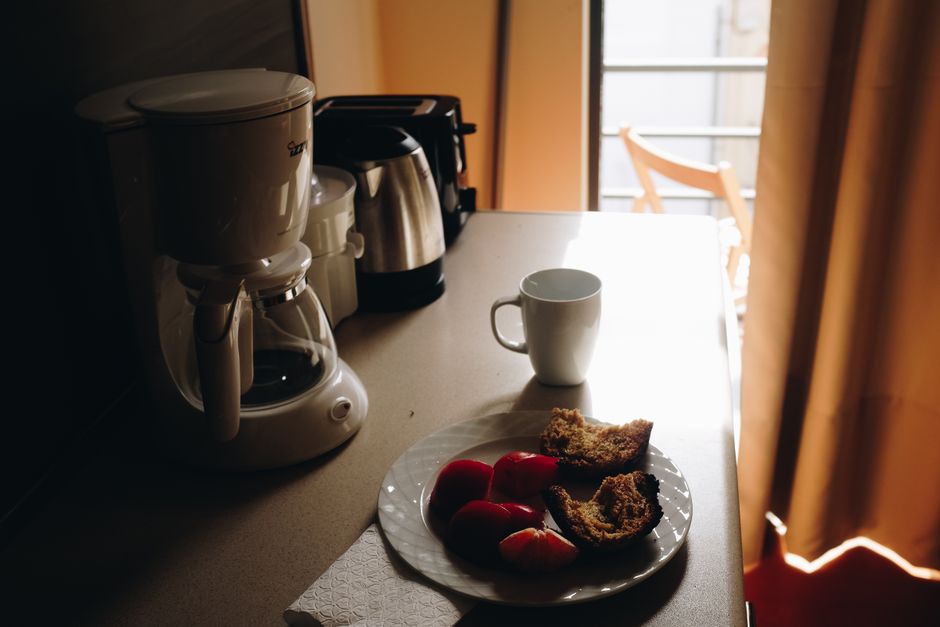
At the kitchen counter, the sun barely peeks through the window as the coffee brews, filling the air with a familiar aroma. The entryway chair is cluttered with bags and jackets, a chaotic reminder of yesterday's rush. Amidst the morning bustle, the planner lies closed on the table, untouched since last night. This moment, just before breakfast, feels like a fragile balance where a single misstep could set the tone for the day. A quick glance at the dirty dishes piled in the sink reveals a counter that’s less functional workspace and more a source of stress.
As the clock ticks closer to the departure time, the temptation to skip checking the weather looms large. This small habit, often overlooked, can lead to scrambling for an umbrella or a jacket later. When the morning routine relies too heavily on motivation, it’s easy to miss crucial checks. The planner remains closed, and the dishes linger, creating a ripple effect that can lead to chaos later in the day. A simple act like checking the weather could have set a more reliable plan in motion, but in the rush, it slips away, leaving room for uncertainty and disarray.
The Morning Setup at the Kitchen Counter
The kitchen counter is a chaotic sight in the early morning light, cluttered with dirty dishes from last night’s hurried dinner. The remnants of a meal—stained plates and half-filled glasses—block the space needed for breakfast preparation. Just a few feet away, the entryway chair holds a closed planner, its pages untouched, a silent witness to the morning rush. As the clock ticks closer to the time everyone needs to leave, the pressure mounts.
In this moment, the morning routine feels precarious, relying too much on the hope that everything will fall into place. A quick glance at the weather app on the phone could save a last-minute scramble for jackets or umbrellas. Yet, with the sink overflowing and the planner forgotten, that check slips through the cracks. The dishes remain a barrier, making it difficult to set up a functional workspace. This small habit of checking the weather, so easily overlooked, could lead to a smoother day, but instead, it adds to the morning’s friction, leaving the household to navigate uncertainty as they rush out the door.
Where the Routine Begins to Slip
As the sun rises, the kitchen counter becomes a battleground of half-eaten breakfast items and scattered backpacks. The clock on the wall ticks steadily, reminding everyone that time is slipping away. Just beyond the chaos, the entryway chair holds a closed planner, its pages filled with plans that remain unexamined. This moment, so close to the start of the day, feels like a tipping point where the morning routine can easily unravel.
With the kids distracted by their devices, the usual morning rush turns into a series of delays. One child is glued to a video, while another is scrolling through messages, their attention diverted from getting dressed. Meanwhile, the weather app on the phone sits untouched, a critical check that could prevent mismatched clothing choices later. As the minutes pass, the pressure mounts; a quick glance at the app could signal whether to grab jackets or rain boots, but that simple action gets lost in the noise.
Dirty dishes pile up in the sink, blocking the counter space needed for breakfast preparation. This small habit of neglecting the evening reset creates a ripple effect, making it difficult to establish a functional workspace. Without the ability to easily prepare meals, the morning routine becomes a scramble, leading to hasty decisions about what to wear. As the kids rush to find appropriate clothes, mismatched outfits become the norm, all because the crucial weather check was overlooked. The household leaves for the day, not just unprepared for the weather, but also with the lingering chaos of a routine that slipped through the cracks.
The Friction of Overlooked Checks
As the morning unfolds, the entryway chair becomes a catch-all for bags, jackets, and shoes, creating a barrier to the quick exit needed for the day. This clutter not only clogs the space but also drains motivation. When the kitchen counter is cluttered with dirty dishes, the mental energy to check the weather app before heading out dissipates. Instead of making a quick decision about whether to grab an umbrella or a light jacket, the focus shifts to immediate tasks like pouring cereal or finding matching shoes.
- Check the weather app on your phone before leaving the kitchen; it’s a simple action that can prevent mismatched clothing choices.
- Set aside a minute to clear the counter each evening; it creates a usable space for breakfast prep and morning checks.
- Keep the planner open on the table as a visual cue; it reminds everyone of the day’s agenda and necessary preparations.
With the clock ticking, the urge to prioritize breakfast over planning leads to chaos. The planner remains closed, and the weather check is skipped, resulting in the family stepping out unprepared. This friction, born from a cluttered environment and time pressure, highlights how good intentions can easily slip through the cracks when the daily routine is not set up for success.
A Small Adjustment That Changes Everything
This same friction shows up again in Everyday Life In The, especially when the day tightens unexpectedly.
The entryway chair often becomes a catch-all for bags, shoes, and forgotten items. To prevent chaos from spilling into the morning routine, create a 'checklist corner' on that chair. Designate specific spots for keys, bags, and the planner, ensuring that essential items are always within reach. This small setup can save precious minutes during the morning rush, allowing for a smoother transition out the door.
While pouring coffee, take a moment to check the weather app on your phone. This quick action, integrated into the coffee-making routine, can streamline your preparation. Instead of racing against the clock to grab an umbrella or a jacket at the last minute, knowing the weather ahead of time allows for better outfit choices. When the planner is open and visible on the entryway chair, it serves as a reminder of the day’s agenda, making it less likely to be overlooked.
However, if the kitchen counter is cluttered with dirty dishes, it can lead to a frustrating start. The counter becomes unavailable for breakfast prep, pushing the family to prioritize food over planning. This friction often results in a hurried exit, with the planner still closed on the table and the weather check skipped. By establishing a checklist corner and integrating a weather check into the coffee routine, mornings can shift from chaotic to manageable, but only if the environment supports these small adjustments.
How This Adjustment Transforms the Day Ahead
A slightly different version of this problem appears in Daily Routines Real Life, where the sequence changes but the hidden drag feels familiar.
With the planner open on the entryway chair and the weather app checked on the kitchen counter, the family can leave the house feeling prepared. Knowing the forecast allows for better outfit choices, reducing the chances of last-minute wardrobe changes. This simple act of checking the weather each morning sets a tone of readiness that carries through the day.
When the evening rolls around, the reset feels less daunting. Instead of facing a chaotic kitchen filled with dirty dishes, the family can focus on organizing tasks for the next day. The planner, now a tool for clarity, helps them prioritize what needs to be done, from packing lunches to setting out clothes. By integrating this small habit into the morning routine, they create a smoother transition into the evening routine.
However, if the kitchen counter remains cluttered, the planner often stays closed, leading to a disorganized start. The friction of dirty dishes prevents effective breakfast prep, causing rushed exits and forgotten items. This cycle of chaos can easily repeat, but with just one check before leaving the room, mornings can shift from overwhelming to manageable. The evening reset becomes a simple task of tidying up rather than a source of stress, allowing for a more structured end to the day.
As the day winds down, the evening reset becomes crucial for a smoother morning. If the entryway chair is piled high with bags and jackets, it’s easy to overlook the planner sitting closed on the kitchen counter. This small action of simply opening the planner and jotting down tasks can shift the entire next day’s flow. Without this check, the morning can spiral into a frantic search for lost items or forgotten lunches.
Before heading to bed, take a moment to check the weather for the next day. This simple act can dictate clothing choices and prepare the family for unexpected rain or cold. By incorporating this habit into the evening routine, the household can sidestep the chaos that often slips in when routines get disrupted. Addressing these small friction points, like dirty dishes or an unorganized entryway, helps maintain the structure necessary for busy households to thrive.
