Photo by KoolShooters on Pexels — source As the alarm blares from the bedside table, the day begins with a familiar sense of urgency. The lunch container, still soaking in the sink from last night’s dinner, serves as a reminder of the chaotic evening that preceded this moment. With the clock ticking, the temptation to hit snooze is strong, but the need to maintain a weekday routine pushes the apartment dweller out of bed. Yet, even in this early scramble, a phone notification interrupts the flow, pulling attention away from the essential tasks that lay ahead. In the midst of gathering clothes and preparing breakfast, it’s easy to overlook the small but crucial checks that can derail the morning. For instance, forgetting to set the alarm across the room can lead to a rushed start, while skipping a quick glance at the calendar may mean missing an important meeting. Each of these overlooked steps compounds the chaos, making it clear that a successful morning routine hinges not just on go...
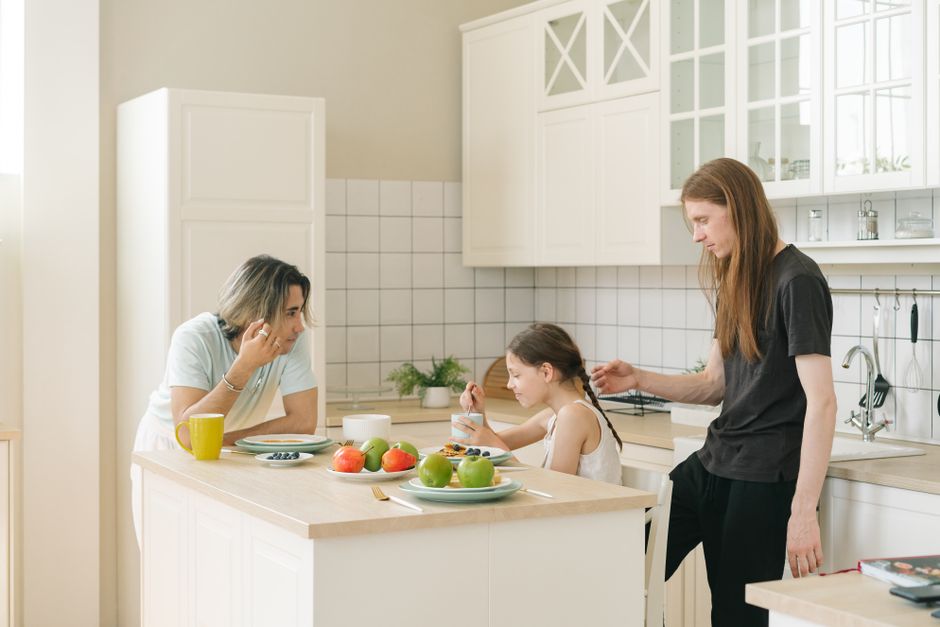
It’s 7:15 AM on a Tuesday, and the kitchen counter is cluttered with half-opened cereal boxes and a forgotten coffee cup. As a parent, the morning routine feels like a race against time, with the school bell ringing louder in my mind than the clock on the wall. I glance over at the entryway chair, where the umbrella remains tucked away, a reminder of yesterday's rain. The kids are still in their pajamas, and the breakfast items I meant to set out last night are still buried under a pile of lunchboxes. This chaotic setup is all too familiar, yet it’s often the small details that slip through the cracks, like checking the weather before we dash out the door.
In the rush to get everyone dressed and fed, I often forget to check the forecast, which leads to frantic searches for jackets or umbrellas once we're already outside. The simple act of placing the umbrella near the door would save us from the last-minute scramble. Instead, I find myself scrambling to gather everything at the last moment, missing the chance to streamline our morning. It’s these small habit shifts that can either make or break our weekday routine, and as the clock ticks down, I realize that the real friction lies in overlooking these everyday systems that should support us.
The Morning Setup: What Should Happen
On a typical weekday morning, the kitchen counter should be a hub of preparation. I aim to gather breakfast items the night before, laying out bowls, spoons, and cereal boxes, so everything is in reach when the kids wake up. This small habit is part of my daily reset, designed to create a smooth start. However, as I glance at the clutter, I realize that the milk still sits in the back of the fridge, and the fruit is still in the grocery bag on the floor. Without a clear system in place, I often find myself scrambling to pull everything together just moments before the chaos begins.
The real friction arises when I skip the simple weather check. Instead of placing the umbrella by the door, it remains tucked away in the entryway chair, forgotten until we’re already outside. This oversight leads to frantic searches for jackets or rain gear, which disrupts the flow of our morning. If I could just remember to check the forecast and move the umbrella into sight, I could save precious minutes. It’s these small adjustments that could transform my morning routine from a race against the clock into a more manageable sequence, but the details often slip through the cracks in the rush.
Steps That Get Overlooked
Amid the morning rush, certain small steps slip through the cracks, leaving families scrambling at the last minute. One common oversight is checking the weather before picking out clothes. Without this check, I often find myself dressed for a sunny day only to discover it’s pouring outside, forcing a last-minute scramble for raincoats and umbrellas.
- Check the weather before choosing clothes.
- Set out breakfast items the night before.
- Place the kids’ backpacks by the door to avoid last-minute searches.
Each of these steps has a ripple effect on the morning routine. For instance, if I don’t set out breakfast items the night before, I waste precious minutes in the morning trying to find cereal and milk, which are often hidden behind other items in the fridge. This small habit of preparation can save time, but when overlooked, it leads to chaos just as we’re trying to leave. A simple check of the weather and a quick evening setup can transform the morning experience, yet these essential steps frequently get missed in the hustle.
When the Weather Check Gets Skipped
Standing at the kitchen counter, I often find myself racing against the clock, trying to assemble breakfast while the kids are still in their pajamas. The entryway chair, cluttered with jackets and shoes, becomes a chaotic reminder of what’s been overlooked. The weather check, a small habit that should happen the night before, frequently gets missed. Instead, it’s too late to adjust outfits for the day’s conditions, leading to a scramble when I realize my daughter is dressed in a light sweater while it’s drizzling outside.
This oversight creates a ripple effect. Once I finally check the weather, I’m faced with the immediate panic of finding appropriate outerwear and the umbrella, which never made it to the door. The kids, now distracted by their mismatched attire, lose focus on breakfast. Instead of a smooth morning routine, we’re left scrambling, which delays our departure and adds unnecessary stress. A simple evening reminder to check the forecast and prepare accordingly could save us from this chaos.
To streamline this process, I’ve started placing a small whiteboard by the entryway chair. Each evening, I jot down the next day’s forecast and any necessary outfit adjustments. This visual cue makes it easier to remember what needs to be done in the morning, ensuring that we’re not just prepared for breakfast but also for whatever the weather throws our way.
A Better Order for the Same Five Minutes
This same friction shows up again in Everyday Life In The, especially when the day tightens unexpectedly.
Before the chaos of a morning routine takes over, a simple adjustment can make all the difference. Each evening, I place the umbrella by the door, ensuring that it’s visible and ready for the next day. This small habit eliminates the frantic search for rain gear when the weather turns unexpectedly.
As I prepare for the morning, I check the weather app on my phone while I’m packing lunches. This simple act allows me to adjust the kids’ outfits accordingly. Instead of rushing to find a jacket or boots at the last minute, I can set out everything needed for the morning, including appropriate clothing, the umbrella, and breakfast items.
Revising the order of actions has been key. I now start by checking the weather, then setting out breakfast items, followed by laying out clothes. This sequence not only streamlines our routine but also gives me a moment to breathe before the morning rush begins. Each item placed where it can be easily seen reduces the chances of missing crucial checks, like grabbing the umbrella.
By the time morning rolls around, the visibility of these preparations makes it easier for everyone to stay on track. The kids know where to find their jackets and can grab the umbrella on their way out. This small shift in routine has turned our once chaotic mornings into a more manageable experience, allowing us to leave the house with less stress.
What Changes When You Reorder Tasks
A slightly different version of this problem appears in Daily Routines Real Life, where the sequence changes but the hidden drag feels familiar.
On a typical weekday morning, the kitchen counter becomes a hub of activity. Amid the clatter of breakfast dishes and the sound of shoes being tied, I realized that simply moving the umbrella to the entryway chair could save us from a last-minute scramble. By placing it where it’s easily seen, I can avoid the frantic search that usually happens when we’re already running late.
Revising how I sequence our morning tasks has made a noticeable difference. I now start by checking the weather on my phone while the coffee brews. This simple act allows me to gauge what the kids should wear before I even call them to breakfast. After that, I set out their breakfast items—cereal boxes, fruit, and bowls—on the counter, all within easy reach. This way, when they come down, they can serve themselves and get started without delay.
As a result, the kids leave the house dressed appropriately for the weather, whether it’s a sunny day or a rainy one. They grab their jackets and the umbrella without me needing to remind them, which cuts down on the chaos. The mornings feel less rushed, and I can even take a moment to breathe before we head out. This small adjustment in how I organize our morning routine has transformed our start to the day into a more structured and manageable experience.
As the morning chaos unfolds, it's easy to overlook small but crucial checks that can set the tone for the day. For instance, if I forget to check the weather until the last minute, my kids might leave the house without their jackets or umbrellas, leading to soggy clothes and grumpy faces. This simple oversight can derail our entire morning routine, turning a manageable task into a frantic scramble.
To counter this, I’ve started placing the umbrella right by the entryway chair, a spot where it’s impossible to miss. This small habit not only reminds me to check the weather but also prompts the kids to grab it before heading out. By making these adjustments, I’ve turned our weekday mornings into a more predictable and less stressful experience, allowing us to start the day on a calmer note.
