Photo by KoolShooters on Pexels — source As the alarm blares from the bedside table, the day begins with a familiar sense of urgency. The lunch container, still soaking in the sink from last night’s dinner, serves as a reminder of the chaotic evening that preceded this moment. With the clock ticking, the temptation to hit snooze is strong, but the need to maintain a weekday routine pushes the apartment dweller out of bed. Yet, even in this early scramble, a phone notification interrupts the flow, pulling attention away from the essential tasks that lay ahead. In the midst of gathering clothes and preparing breakfast, it’s easy to overlook the small but crucial checks that can derail the morning. For instance, forgetting to set the alarm across the room can lead to a rushed start, while skipping a quick glance at the calendar may mean missing an important meeting. Each of these overlooked steps compounds the chaos, making it clear that a successful morning routine hinges not just on go...
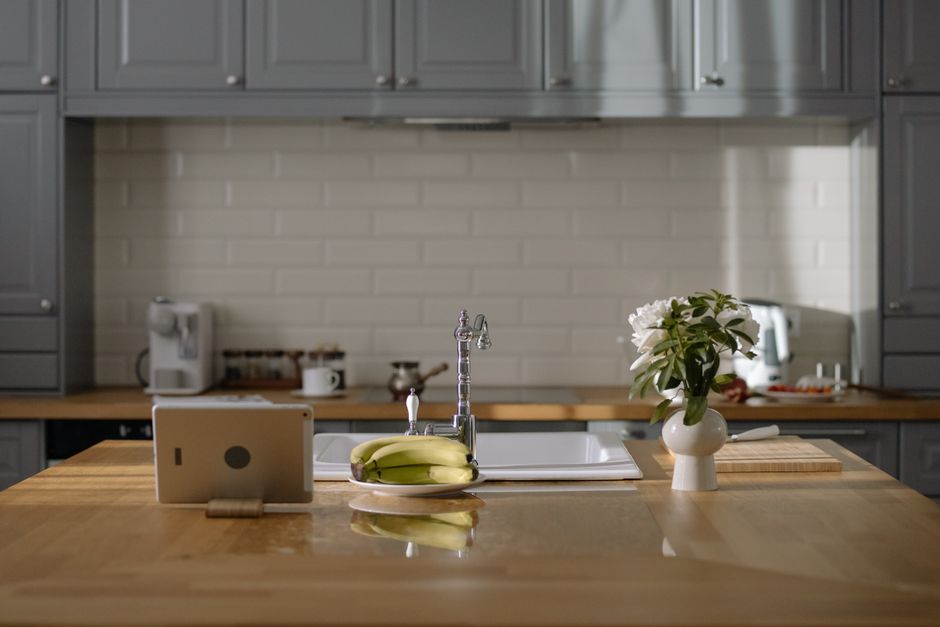
Standing at the kitchen counter, the morning light filters through the window, illuminating the half-packed lunch container still sitting in the sink. It’s a typical weekday, and the clock is ticking down to the school bell. As a parent, the evening routine often slips into chaos after pickup and dinner, leaving little time to prepare for the next day. The work clothes I meant to change out of linger longer than intended, creating a bottleneck in my morning flow. The forgotten breakfast items sit unprepared, and the thought of rushing through the morning routine feels overwhelming.
While I juggle packing lunches and finding shoes, I realize that some essential steps in my daily reset are hidden until the moment arrives. The bag-packing routine often overlooks placing the lunch container in a visible spot, making it easy to grab. A small adjustment, like setting out breakfast items the night before, could streamline the process. Yet, without a clear system in place, these friction points compound, turning a simple morning into a frantic race against time.
The Overlooked Steps Before Breakfast
In the dim light of the kitchen, the countertop is cluttered with remnants of last night’s dinner, and the smell of coffee lingers in the air. As I glance at the hallway drop zone, I see the work clothes I meant to change out of still draped over the chair, a reminder of the chaotic evening. The lunch container, still resting in the sink, serves as a stark warning: without a plan, the morning routine is bound to spiral into disarray. I know I should have set out breakfast items the night before, but the thought of tackling it after a long day often feels like just another task on an endless list.
Preparing for the next day requires a sequence that I often overlook. Laying out clothes for the next morning should be a priority, yet it often gets pushed aside in the rush. Instead, I find myself scrambling through drawers at dawn, searching for matching socks. A small adjustment, like placing the lunch container on the counter next to the coffee maker, could create a visual cue that prompts me to pack it before bed. These overlooked steps compound the morning chaos, transforming what should be a simple breakfast into a frantic scramble. Recognizing these friction points in my daily reset can make all the difference, but it requires consistent effort to shift my evening habits into a more effective routine.
Hidden Steps That Add Up
As I stand at the kitchen counter during the morning rush, I often find myself staring at the sink, where the lunch container sits, forgotten. This simple oversight can derail my entire morning. If I had checked for it the night before, it would have been packed and ready to go, saving me precious minutes.
- Check the sink for missing lunch containers.
- Confirm that work clothes are laid out and easily accessible.
- Ensure breakfast items are visible on the counter.
Each of these steps takes mere seconds, yet they compound into a chaotic scramble when overlooked. For instance, if I skip laying out my work clothes the night before, I waste time rummaging through the closet at dawn, searching for something that matches. By simply placing my outfit on a chair in the hallway drop zone, I create a visual reminder that streamlines my morning. These hidden steps might seem trivial, but they steal time and attention, turning what should be a smooth start into a frantic race against the clock.
The Bottleneck: When Time Disappears
This same friction shows up again in Everyday Life In The, especially when the day tightens unexpectedly.
Standing at the kitchen counter, I often find myself staring at the clock, realizing that the morning has slipped away. My work clothes, still on from the previous day, linger longer than they should. This delay starts a chain reaction that turns my morning routine into a frantic scramble. The moment I decide to change, I’m met with distractions—my phone buzzes with notifications, pulling my attention away from the tasks at hand.
In the hallway drop zone, misplaced items become a source of frustration. The kids’ shoes are scattered, and my own work shoes are buried under a pile of backpacks. Each time I waste searching for a single item, I lose precious minutes. If I had simply placed my shoes by the front door the night before, I could have avoided this morning chaos. Instead, I’m left rummaging through the mess, feeling the clock tick faster.
To counter this, I’ve started laying out breakfast items the night before. A bowl of fruit, a carton of yogurt, and my coffee maker prepped and ready to go help streamline the morning. This small habit makes a difference; I can grab breakfast without thinking, allowing me to focus on finding my work clothes. By checking the hallway drop zone for my outfit and shoes, I create a clear path to the door, reducing the chance of last-minute delays. Each of these adjustments takes only a few seconds but compounds into a smoother start to the day.
A Cleaner Sequence for Mornings
A slightly different version of this problem appears in Daily Routines Real Life, where the sequence changes but the hidden drag feels familiar.
The chaos of mornings often stems from a disorganized sequence of tasks, especially when kids are involved. One overlooked step is the placement of lunch containers. Instead of leaving them in the sink, I’ve designated a specific spot on the kitchen counter where they can be easily accessed. This simple adjustment prevents clutter from building up and ensures that I can quickly pack lunches without searching through dirty dishes.
To streamline the morning further, I set a timer for each task. This keeps me focused and aware of the clock, which is crucial when every minute counts. I start with laying out breakfast items first—cereal boxes, bowls, and utensils all ready to go. By doing this, I can quickly pour a bowl of cereal or grab a piece of fruit while I help the kids get dressed. The act of preparing breakfast the night before has made a noticeable difference; I can now avoid the frantic scramble for food when everyone is hungry.
Next, I tackle the clothing situation. I keep my work clothes in the hallway drop zone, neatly hung on a hook. This way, I can grab them on my way out without rummaging through piles of shoes and bags. Each of these small changes—designating lunch container storage, setting a timer, and organizing clothes—creates a smoother flow in the morning routine, allowing us to leave the house on time without feeling rushed.
What Changes with a Streamlined Routine
When I take the time to lay out breakfast items the night before, the morning feels remarkably less chaotic. Instead of searching for cereal boxes and bowls while the kids are vying for attention, I can simply pour a bowl of cereal and hand it off. This small act shifts the morning dynamic from frantic to manageable, allowing for a smoother start to the day.
Another change I’ve made involves how I handle my work clothes. By placing them in the hallway drop zone on a dedicated hook, I avoid the last-minute scramble that often leads to forgotten items. I can grab my clothes as I head out, eliminating the frustration of rummaging through a messy closet. This simple adjustment not only saves time but also reduces the stress that comes with a disorganized morning.
With these streamlined steps, we often find ourselves leaving the house on time, which means more moments for family interactions before we split in different directions. Instead of rushing out the door, we can share a quick laugh or a simple check-in, making the morning feel more connected. The consistency of this routine has transformed our weekday mornings into a calmer experience, allowing us to start the day with a sense of purpose rather than chaos.
As the evening winds down and the kitchen counter fills with remnants of dinner, it’s easy to overlook the small actions that can streamline the morning rush. One often-missed step is setting out breakfast items the night before. Placing the cereal box and bowls on the counter not only saves time but also provides a visual cue that breakfast is ready to go, reducing decision fatigue in the morning.
Additionally, ensuring the lunch container is emptied and placed near the door can prevent that last-minute scramble. By making these small adjustments, busy parents can eliminate hidden friction points that often lead to chaotic mornings. Next time you’re tidying up after dinner, take a moment to set out those breakfast essentials; it’s a small habit that can significantly ease the morning routine.